

The Red Fort Adventure
The Red Fort Adventure is a vibrant, imaginative picture book that blends cultural exploration, history, and natural science through the eyes of two curious siblings. When Jay and Juhi’s neighbor introduces them to a pet parrot, the children become fascinated by birds and begin researching which one might be right for their family. Their journey leads them to the peacock—a bird so stunning and majestic that it sparks a magical trip across the world to India with the help of their enchanted flute, Soori.
As Jay and Juhi arrive in New Delhi, they meet Nirmal, a friendly local boy who guides them through India’s capital and takes them on an exciting ride to the iconic Red Fort. There, they learn about the Peacock Throne, a legendary symbol of royal splendor once adorned with gold, jewels, and intricate carvings of peacocks. While exploring the grounds and imagining the past, the children encounter a real peacock and witness its famous tail display in a powerful moment of natural beauty.
This book is rich with cross-curricular connections:
Geography & Culture: Students learn about India’s capital, New Delhi, and iconic landmarks like the Red Fort.
Natural Science: The book explores animal behavior and biology, focusing on the differences between male and female peafowl, feather anatomy, and animal habitats.
History: The narrative touches on the Mughal era and the significance of the Peacock Throne, encouraging historical thinking and appreciation for global heritage.
Critical Thinking: Through dialogue and reflection, the characters model decision-making, curiosity, and respect for wildlife.
Ideal for elementary students, in the classroom or at home. The Red Fort Adventure can serve as a jumping-off point for discussions about national symbols, biodiversity, and cultural stories passed down through generations. It invites educators to connect fiction with nonfiction through companion activities like animal research, map exploration, storytelling traditions, or simple science projects on birds and feathers.
This story supports multiple subject areas—social studies, science, literacy, and character education—and can be used to foster inquiry-based learning. It encourages students to research, ask questions, and consider the ethical treatment of animals. The magical realism element invites creativity, while the setting offers a gateway into Indian culture and symbolism.
The Great Snake Boat Race
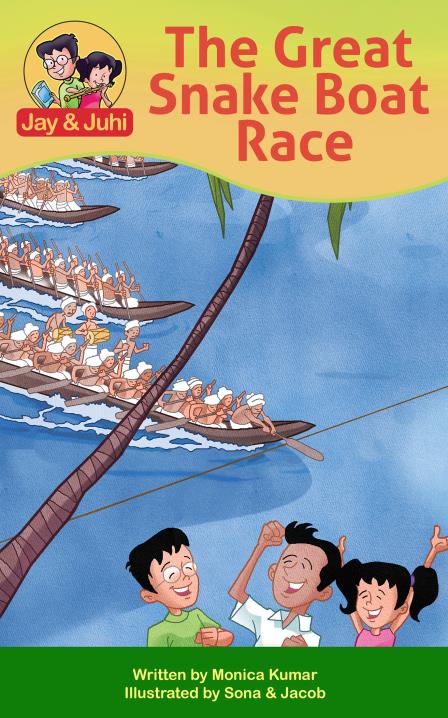
The Great Snake Boat Race is a culturally immersive picture book that brings students on a magical journey to the lush, water-filled landscape of Kerala, India—home to one of the world’s most vibrant and unique sporting traditions: the Nehru Trophy Snake Boat Race.
What begins as a simple backyard activity—floating paper boats with their father—quickly becomes an educational adventure. When Jay and Juhi learn about the long, narrow wooden snake boats of India, their curiosity takes flight. With the help of their magical flute, Soori, the siblings are transported to the backwaters of Kerala, where they meet a new friend, Vinay, and discover the beauty and rhythm of life along India’s longest lake, Vembanad Lake.
Through richly described scenes and vivid cultural detail, students are introduced to:
Cultural Traditions: The story provides an authentic look at Kerala's boat festivals, including decorated houseboats, drumming, dancing, and community celebration.
History & Civic Literacy: Students learn about Jawaharlal Nehru, India's first Prime Minister, and his symbolic connection to the annual boat race held in his honor.
Engineering & Teamwork: The book introduces the physics and craftsmanship of traditional boat-building, as well as the concept of synchronization in rowing-highlighting one of the world's largest team sports.
Ideal for early elementary learners, The Great Snake Boat Race can be paired with hands-on activities like making paper boats, exploring map skills, comparing transportation methods, or even listening to traditional Kerala music and drumming patterns. The book invites students to see the world through the lens of respectful adventure, curiosity, and joyful cultural exchange.
The story is told through an accessible and engaging narrative that supports inquiry-based learning, while modeling curiosity, cultural openness, and collaborative spirit. It opens doors to classroom discussions on transportation, traditional sports, water-based ecosystems, Indian heritage, and global celebrations.
The Great Desert Adventure
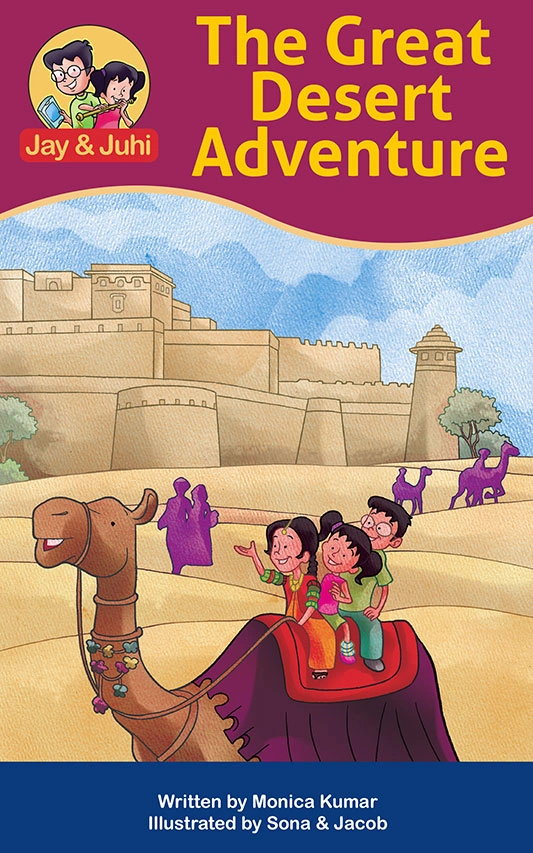
The Great Desert Adventure is a captivating picture book that introduces young readers to the rich culture, art, and environment of Rajasthan, India, through a magical journey of discovery and friendship. When Jay and Juhi’s parents share memories of traditional string puppets called Kathputlis, the siblings are eager to learn more. Their curiosity—and a tune from their magical flute Soori—transports them to the golden sands of the Thar Desert, where they meet Kesar, a local girl with a deep family connection to the traditional art of puppetry.
Set in and around the historic Jaisalmer Fort, the story immerses students in a colorful and engaging world where history, performance, and community intersect. Jay and Juhi ride camels, drink coconut water, explore a real desert fort, and attend a traditional Kathputli puppet show performed by Kesar’s family. Along the way, they learn that storytelling in India is not just spoken or written—it's sung, danced, and brought to life with beautifully crafted puppets.
Along the way, the story introduces young readers to a range of educational themes:
Geography: Through the journey, students compare desert landscapes to other environments, identify Indian regions, and explore the ways geography shapes culture and daily life.
Social Studies & Culture: Students explore the Thar Desert, the state of Rajasthan, and the architecture and history of Jaisalmer Fort. The story also introduces traditional Indian performance art and community customs.
Arts Education: The book provides an authentic look at Kathputli puppetry, a folk art that integrates visual arts, music, dance, and storytelling. It invites hands-on exploration of puppetry techniques, performance, and creative expression.
Global Citizenship: By meeting and collaborating with a local peer (Kesar), Jay and Juhi model intercultural understanding, empathy, and respect for traditions different from their own.
Ideal for early elementary learners, The Great Desert Adventure supports inquiry-based learning and helps foster student curiosity about global traditions, storytelling methods, and art forms. It can be integrated into lessons on world cultures, performance art, traditional crafts, ecosystems, and communication.
The story also encourages critical thinking about how stories are passed down through generations and the importance of preserving cultural heritage.